

Beyond the Forecast: Why Watching the Skies and Nurturing Our Forests Go Hand in Hand
This March, Zimbabwe is set to host a landmark event that beautifully illustrates a powerful environmental truth: you cannot protect our planet's future by looking at the trees without also looking at the sky.
As the world prepares to mark World Meteorological Day on March 23rd, the Meteorological Services Department of Zimbabwe (MSD) is joining forces with the Forestry Commission for a unique dual celebration. The event will take place in Bulilima District, Matabeleland South Province, on March 20th, bringing together two communities of practice that are, in reality, two sides of the same coin.
A Theme for the Future: "Observing Today, Protecting Tomorrow"
This year’s global theme, set by the World Meteorological Organization (WMO)—"Observing Today, Protecting Tomorrow"—resonates deeply with Zimbabwe's own environmental challenges. It’s a powerful reminder that the data we collect right now is the blueprint for our safety and prosperity in the years to come.
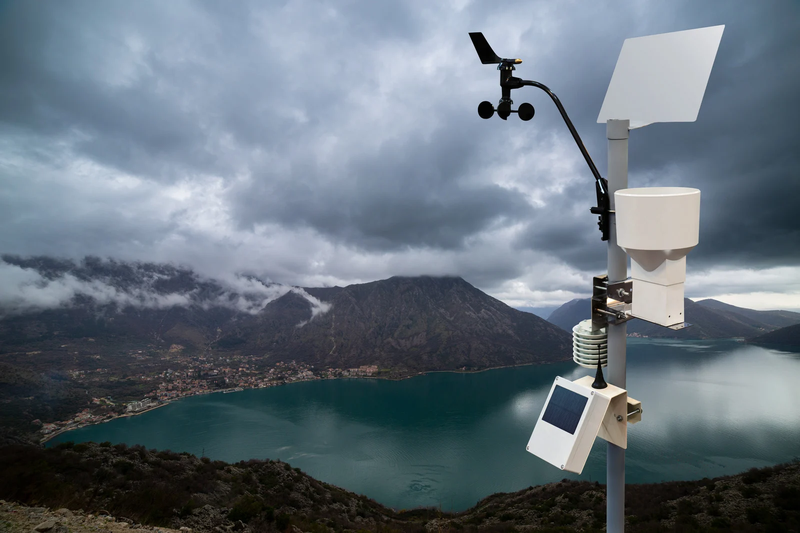
Every weather forecast, every drop of rain measured, and every wind speed recorded is a piece of the puzzle. This constant, vigilant observation of our planet’s systems is what allows us to predict the storms, manage the droughts, and understand the changing climate that directly impacts our farms, our water, and our way of life.
The Forest-Climate Connection: A Symbiosis We Cannot Ignore
So, why celebrate this day with the Forestry Commission? Because the health of our atmosphere and the health of our woodlands are inseparably linked. The combination of meteorology and forestry creates a powerful synergy for building climate resilience. Here’s how:
- Forests as Climate Regulators: They are not just a collection of trees; they are living, breathing ecosystems that actively shape our environment. Through biophysical processes, forests influence local temperatures, humidity, and even rainfall patterns. They are, in essence, a critical part of our planet's life-support system.
- Data for Sustainable Forestry: You cannot manage what you cannot measure. Meteorological data is the essential guide for sustainable forest management. It helps forestry experts decide what species to plant, when to plant them, and how to protect them. Most critically, it is the frontline defense in fire risk monitoring, providing the early warnings needed to prevent devastating wildfires.
- The Hidden Helpers of Agriculture: Beyond the forest boundaries, trees modify the micro-climate. They shield crops and communities from extreme temperatures and help lock precious moisture into the soil. This effect is often invisible to standard weather stations, but it’s a vital buffer for farmers facing a changing climate.
- Mutual Protection Against Disaster: This is perhaps the most crucial link. Healthy forests act as a shield against nature’s extremes. Their root systems stabilize soils to prevent landslides, they regulate water flow to mitigate both floods and droughts, and they act as natural windbreakers. In turn, accurate weather observations from MSD give us the foresight to predict these very disasters, allowing communities to prepare.
A Call for Integrated Action
By holding this joint celebration in Bulilima, a district on the front lines of climate variability, the MSD and the Forestry Commission are sending a clear message: resilience is not built in silos. It is built at the intersection of science and nature.
It is built when a weather forecast triggers a forest fire prevention alert. It is built when climate data informs a reforestation strategy. It is built when we understand that observing the sky today is the most profound way of protecting the forests—and the future—of tomorrow.
Join us in Bulilima as we explore this vital connection and chart a course toward a safer, more sustainable Zimbabwe.