
Meteorological Services Department Participated in National Youth Symposium on Disaster Risk Reduction
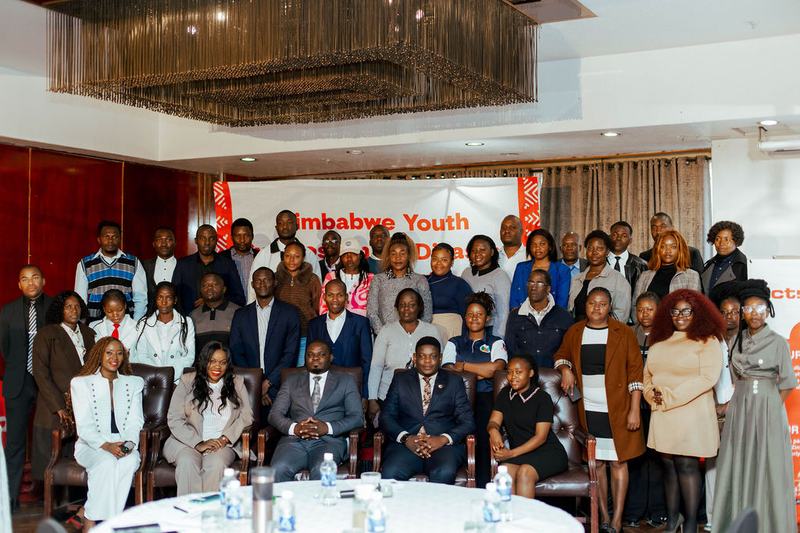
Meteorological Services Department (MSD) participated in the 3rd Zimbabwe Youth Symposium on Disaster Risk Reduction (DRR), joining government departments, policymakers, development partners, researchers, civil society organisations and youth leaders in discussions centred on strengthening resilience, preparedness and inclusive disaster risk governance.
Held under the theme “From Risk to Resilience: Reclaiming Youth Agency in Disaster Risk Management,” the symposium provided a platform for dialogue on emerging disaster risks, innovation, policy frameworks and the role of young people in advancing community resilience.
A recurring theme throughout the symposium was the strategic importance of youth leadership in shaping resilient societies. As the generation that will inherit an increasingly complex risk landscape, young people are emerging not only as beneficiaries of resilience interventions, but also as innovators, knowledge producers and agents of transformative change. From developing digital solutions and advancing climate and disaster risk research to strengthening community-based risk communication and preparedness initiatives, youth are increasingly influencing the future trajectory of disaster risk reduction. Their energy, creativity and proximity to communities position them as indispensable partners in translating scientific knowledge into meaningful action, while fostering adaptive, inclusive and future-ready resilience systems at local, national and regional levels.
MSD took part in technical engagements focusing on innovation and technology in disaster risk reduction, where discussions explored the application of climate intelligence, digital solutions and impact-based forecasting in supporting risk-informed decision-making and anticipatory action.
The symposium also highlighted the significance of the Early Warnings for All (EW4All) initiative, a global effort aimed at ensuring universal access to life-saving early warning systems. Deliberations underscored the growing importance of strengthening end-to-end early warning capabilities as countries confront increasingly complex weather, climate and disaster-related risks.
Across the various sessions, participants examined the intersection between science, policy and community action, with particular emphasis on empowering young people as active contributors to disaster preparedness and resilience-building efforts. Contributions from researchers and innovators showcased how emerging technologies, indigenous knowledge systems and community-based approaches can complement national disaster risk reduction strategies.
The gathering further reinforced the value of multi-stakeholder collaboration in advancing the objectives of the Sendai Framework for Disaster Risk Reduction, while promoting inclusive approaches that place communities at the centre of preparedness and response efforts.
As discussions increasingly shift from reactive disaster management towards anticipatory and risk-informed approaches, early warning systems continue to feature prominently as a critical pillar for safeguarding lives, livelihoods and sustainable development gains.
The symposium concluded with the adoption of the Zimbabwe Youth Position Statement on Disaster Risk Reduction, consolidating recommendations intended to strengthen resilience, governance and youth participation within the country's disaster risk management landscape.