

MSD Concludes Key Workshop on Weather Observation Handbook Amendments
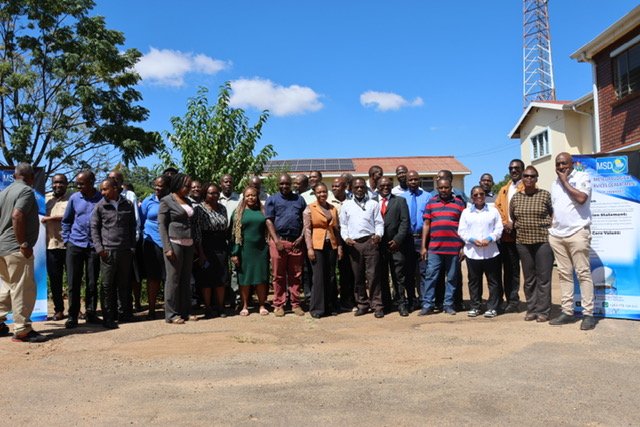
HARARE – Meteorological Services Department (MSD) today concluded a three-day workshop in Harare, marking a critical step toward overhauling the country’s Observer’s Handbook for the first time in more than four decades.
Held from April 13 to 15, the Observer’s Handbook Amendment Workshop convened Meteorological Chiefs, senior forecasters, and field observers to discuss and agree on proposed revisions to the 1982 edition. Officials stressed that the event forms part of an ongoing amendment process, with the new handbook yet to be finalized, produced, or published.
Discussions focused on aligning national observation practices with evolving global standards. Delegates reached consensus on transitioning to modern, environmentally sustainable technologies at observation stations and on removing references to obsolete equipment. The proposed changes are intended to ensure future compliance with international environmental and technical benchmarks.
The workshop also addressed day-to-day operations for observers and forecasters. Proposed updates to the draft include streamlined workflows for data collection, quality assurance, transmission, and integration into forecasting systems, aimed at improving the speed and reliability of public warnings.
Additional amendments under consideration include the adoption of gender-inclusive language across all technical guidelines, training materials, and reporting templates, reflecting wider institutional reforms within the MSD.
The Department said the resolutions adopted will now inform the drafting of the new handbook. Once compiled and approved, the document will be rolled out to all synoptic and climatological stations nationwide.
Officials described the workshop as a “generational step” toward modernizing Zimbabwe’s meteorological services. The finalized handbook is expected to bring national practices in line with current World Meteorological Organization (WMO) standards and strengthen support for climate-sensitive sectors including agriculture, aviation, and disaster management.