
Translating National Early Warnings into Inclusive Local Action in Manicaland
Translating National Early Warnings into Inclusive Local Action in Manicaland
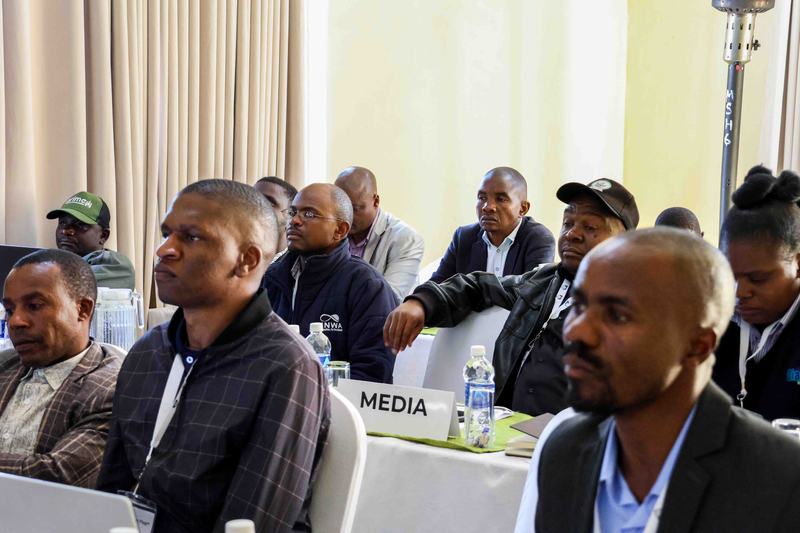
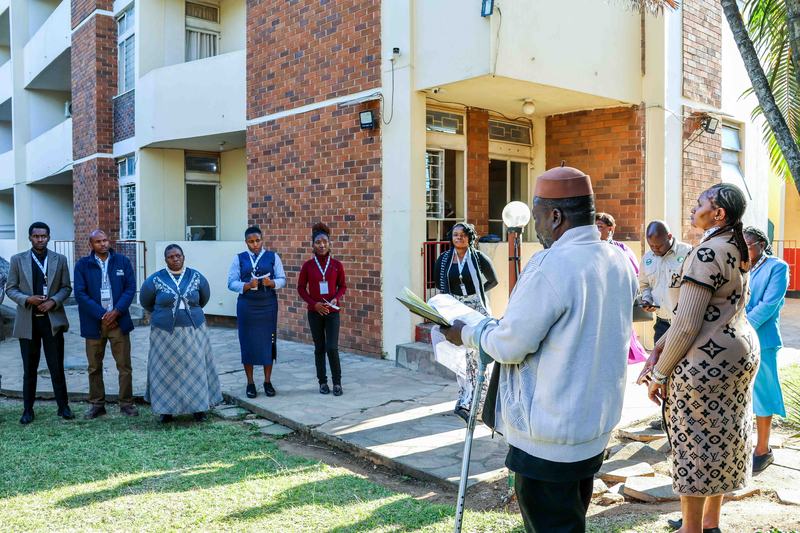
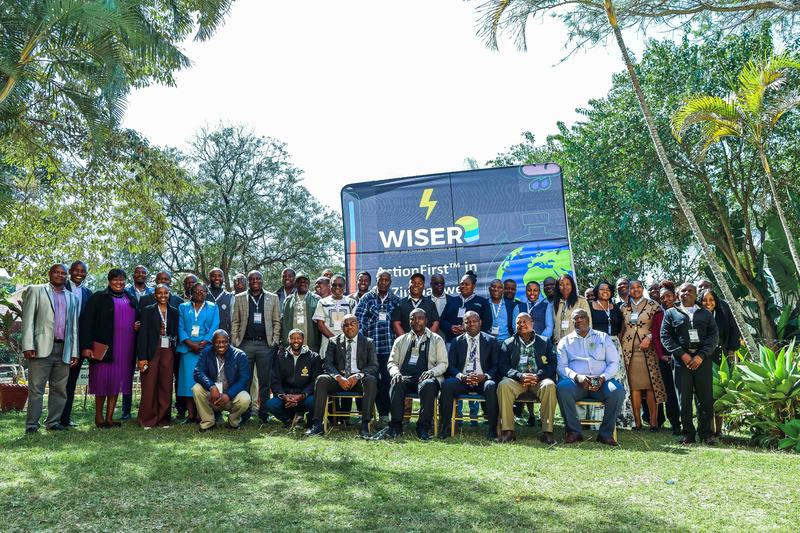
Across Zimbabwe, extreme weather events such as cyclones, landslides, and droughts pose persistent risks to infrastructure, agricultural livelihoods, and human safety. While national meteorological forecasting continues to improve, converting those high-level forecasts into immediate, community-level safety measures remains a pressing challenge. To close this gap, the Meteorological Services Department (MSD) and the Department of Civil Protection (DCP), supported by the WISER Action-First in Africa Initiative (comprising WMO, UK Met Office, FCDO, and SAWS), convened a three-day co-design workshop in Mutare. Bringing together about 60 key decision-makers, sector leaders, and local representatives, the Inclusive Sub-National Action-First Co-Design Workshop was designed to tailor national Action-Based Forecasting (ABF) frameworks to the operational realities of the province.
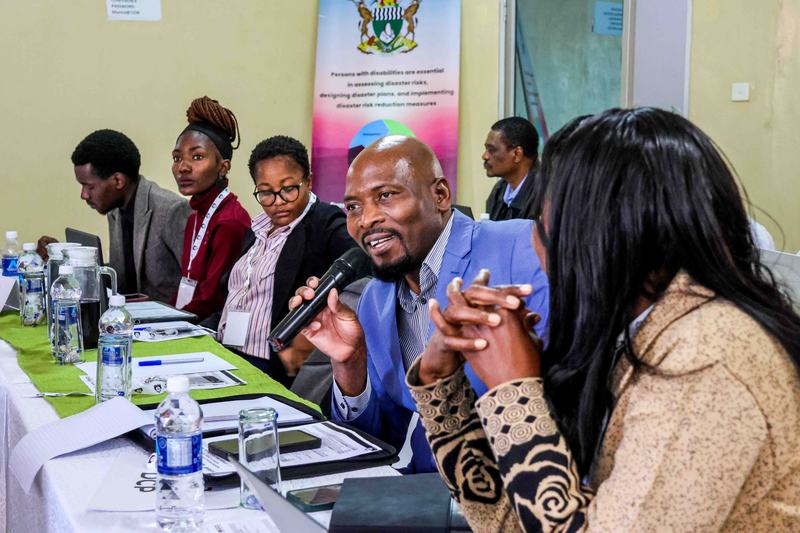
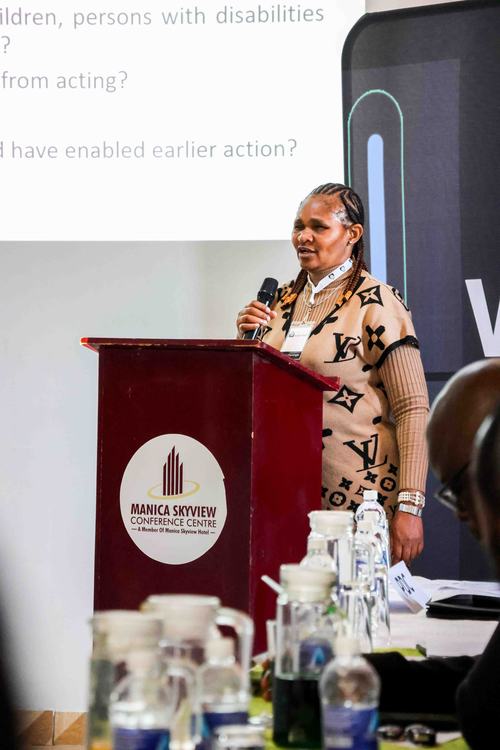
National climate frameworks often lack the granular detail needed at the district or village level. The workshop focused on mapping localized disaster risks by pairing technical meteorology with community-held historical knowledge. Participants built timelines reconstructed from past climate impacts, such as Cyclone Idai, to evaluate how warnings were previously received and acted upon. A core highlight was the emphasis on inclusion. Facilitated by the Federation of Organizations of Disabled People in Zimbabwe (FODPZ), sessions ensured that Gender Equity, Disability, and Social Inclusion (GEDSI) were systematically integrated into warning systems so that messages reach and protect the most vulnerable groups.
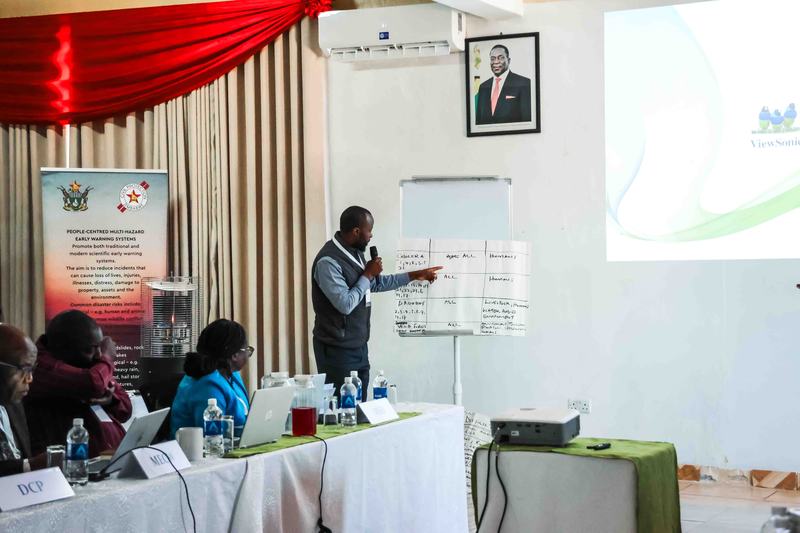
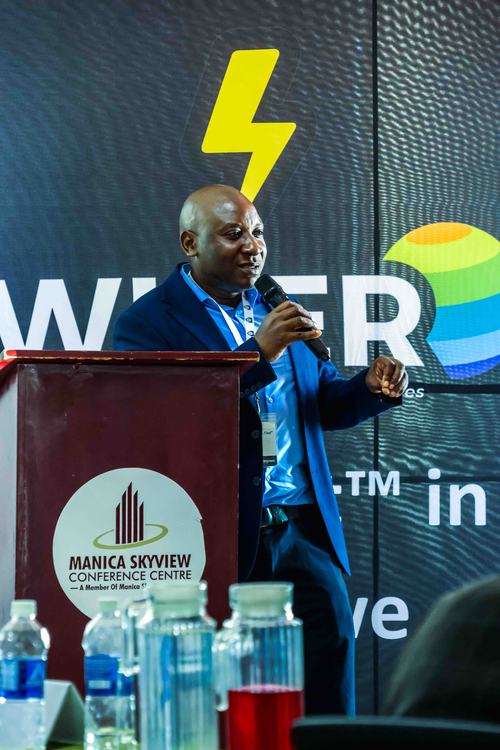
Moving beyond risk awareness to operational co-creation, stakeholders validated localized impact thresholds to define precisely when specific early actions should trigger across different sectors. To overcome communication gaps at the last mile, participants mapped local trust networks and drafted prototype warning messages designed for immediate, accessible dissemination via local radio, visual indicators, and simplified text bulletins.
The initiative culminated in an immersive tabletop role-play exercise where participants simulated a major hazard scenario to test the speed and effectiveness of decision-making, inter-agency communication, and emergency procedures. The resulting debrief provided critical lessons that will directly update national Standard Operating Procedures (SOPs) and the broader National ABF Roadmap. By uniting traditional knowledge, local governance, and modern climate science, this initiative ensures early warnings across Manicaland no longer just inform; they actively protect.